
Morgan Criminal Case Files
A criminal court record is not just an arrest note. It is the court file that tracks a criminal case after charges are filed. In Morgan County, misdemeanors, violations, traffic crimes, first appearances, and preliminary felony events commonly start in District Court. Felonies and circuit-level criminal matters move through Circuit Court. The Circuit Court Clerk is the local custodian for court records from both trial levels.
Police reports, jail records, prosecutor screening notes, and court records can overlap, but they are not the same file. Arrest and booking details belong with law enforcement or custody systems. The criminal court file shows what happened in court, including charges, pleas, motions, orders, disposition, and sentencing. A person looking for the arrest-to-charge path can use the Morgan County arrest records and court charges page; the criminal court record remains the clerk-held case file.
That focus matters in Morgan County because the same event may touch several official systems. A recent arrest may involve a holding agency, VINE, a District Court first appearance, ePay if a payable citation exists, and later Circuit Court if the case becomes a felony prosecution. The court record is the part controlled by Kentucky Court of Justice systems and the Circuit Court Clerk at the Morgan County Judicial Center.
Search Morgan Criminal Records
Use the Kentucky public docket search for hearing dates. Choose Morgan, then Circuit or District. Use KYeCourts/CourtNet for registered access to Kentucky court-system criminal and civil cases. Use ePay only for eligible payable cases or citations.
- Search the public docket by Morgan County, division, and date.
- Check District Court first for misdemeanors, violations, traffic crimes, and preliminary felony events.
- Check Circuit Court for felony filings, felony dispositions, and circuit-level criminal hearings.
- Use CourtNet if registered access to broader case data is available.
- Request certified dispositions or sentencing orders from the Circuit Court Clerk.
Morgan Criminal Case Flow
Criminal case flow explains why one arrest can produce more than one record. A person may be booked, appear in District Court, have charges reviewed by the County Attorney or Commonwealth's Attorney, and later move to Circuit Court if the case is a felony. Judges enter the orders that create the official court record.
Case flow: Charges Filed → Arraignment → Pretrial → Plea or Trial → Disposition → Sentencing.
| Stage | Record meaning |
|---|---|
| Charges filed | The court file begins tracking the formal accusation through a complaint, citation, information, or indictment. |
| Arraignment | The defendant is advised of the charge and enters or schedules a plea. |
| Pretrial | Motions, bond review, discovery issues, and hearing dates may appear. |
| Plea or trial | The case is resolved by plea, trial verdict, dismissal, or other order. |
| Disposition | The court records whether the charge is pending, dismissed, transferred, amended, guilty, acquitted, or otherwise resolved. |
| Sentencing | The court records jail, probation, fines, costs, restitution, or other terms after conviction. |
Felony cases may have early District Court events before the Circuit Court file becomes the main record. A misdemeanor or violation may stay in District Court from first appearance through disposition. That movement is why a Morgan County criminal record search may require both divisions.
Morgan Criminal Record Fields
A public Morgan criminal court record may show the case number, defendant, court division, charges, offense level, attorney, judge, docket events, plea, disposition, sentence, bond, fines, costs, restitution, probation orders, warrant events, and appeal activity. It may not show sealed, expunged, juvenile, victim-sensitive, or protected personal information.
| Field | What it shows |
|---|---|
| Case number | The court's file identifier. |
| Defendant | The person accused in the criminal case. |
| Charge | The offense alleged or amended in court. |
| Offense level | Whether the matter is treated as a felony, misdemeanor, violation, or traffic crime when listed. |
| Plea | The defendant's formal response to the charge. |
| Docket events | Arraignments, motion dates, hearings, orders, continuances, and warrants tied to the court file. |
| Disposition | The result, such as dismissed, guilty, acquitted, or transferred. |
| Sentence | Punishment or court conditions after conviction. |
| Financials | Fines, costs, restitution, bond, or payment balance when public. |
The field list is a record-reading tool, not a promise that every field appears in every search result. A public docket may show only the schedule. CourtNet may show more for registered users. A certified disposition or sentencing order comes from the Circuit Court Clerk when the file is public and copy rules are met.
Charges vs Convictions
A charge is an accusation filed in court. A conviction is a final outcome after a guilty plea, finding of guilt, or verdict. Morgan County criminal court records may show charges that were reduced, amended, dismissed, or otherwise resolved without a conviction. That is why a docket entry should be read with the disposition and sentence, not just the initial charge line.
| Issue | Charge | Conviction |
|---|---|---|
| Meaning | Alleged offense filed with the court. | Final finding of guilt or guilty plea. |
| Can change? | Yes, it may be amended, reduced, dropped, or dismissed. | Changes only through court order, appeal, or post-conviction relief. |
| Where shown? | Complaint, citation, information, indictment, or docket event. | Disposition, judgment, sentence, and final orders. |
| How to verify? | Read later docket events and prosecutor/court action. | Use the final judgment, disposition, or certified clerk record. |
For Morgan County, the difference can affect how a record is used. A person may have a charge line in an old docket but no conviction if the case was dismissed, amended to another offense, or resolved in a way that did not create a guilty finding. Public pages should not treat the first charge as the final outcome.
Expunged Criminal Records
Kentucky provides separate expungement paths for eligible felony convictions under KRS 431.073 and eligible misdemeanors or violations under KRS 431.078. Expungement is filed through the court process, not through a Fiscal Court open-records request. After an expungement order, agencies that receive the order restrict public access according to law.
| Topic | Sealed | Expunged |
|---|---|---|
| Public access | Restricted by court order or law. | Removed from ordinary public access after order. |
| How it happens | Confidentiality rule or sealing order. | Formal expungement process. |
| Where to ask | Court clerk or court order. | Kentucky expungement forms and proper court. |
Kentucky Specialty Courts can affect criminal case handling through treatment, supervision, and review programs.
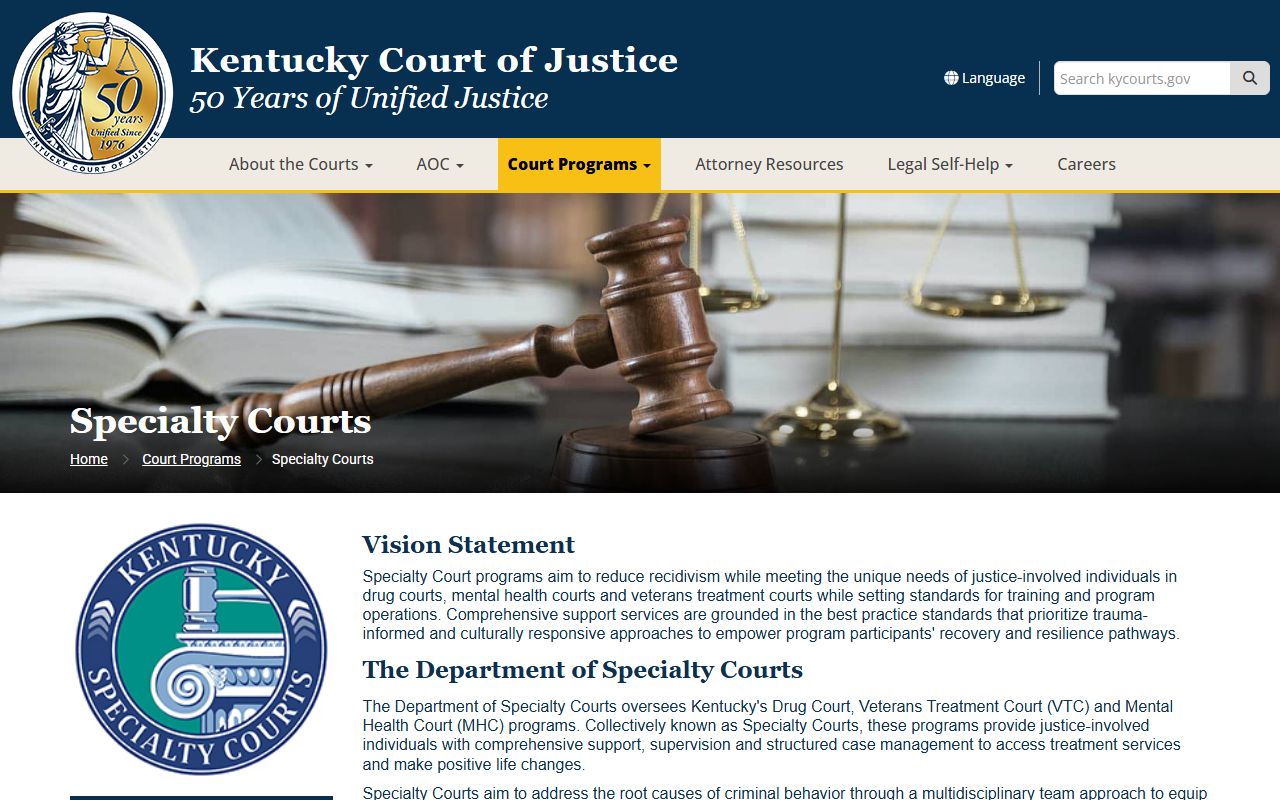
Specialty Court participation should not be assumed from a docket entry, and treatment details may be restricted.
Federal Criminal Records
Federal criminal cases from Morgan County are not filed in Morgan Circuit or District Court. They use the U.S. District Court for the Eastern District of Kentucky, federal CM/ECF, PACER, federal prosecutors, and federal custody systems. The U.S. Attorney for the Eastern District of Kentucky is a federal source, not a Morgan County prosecutor.
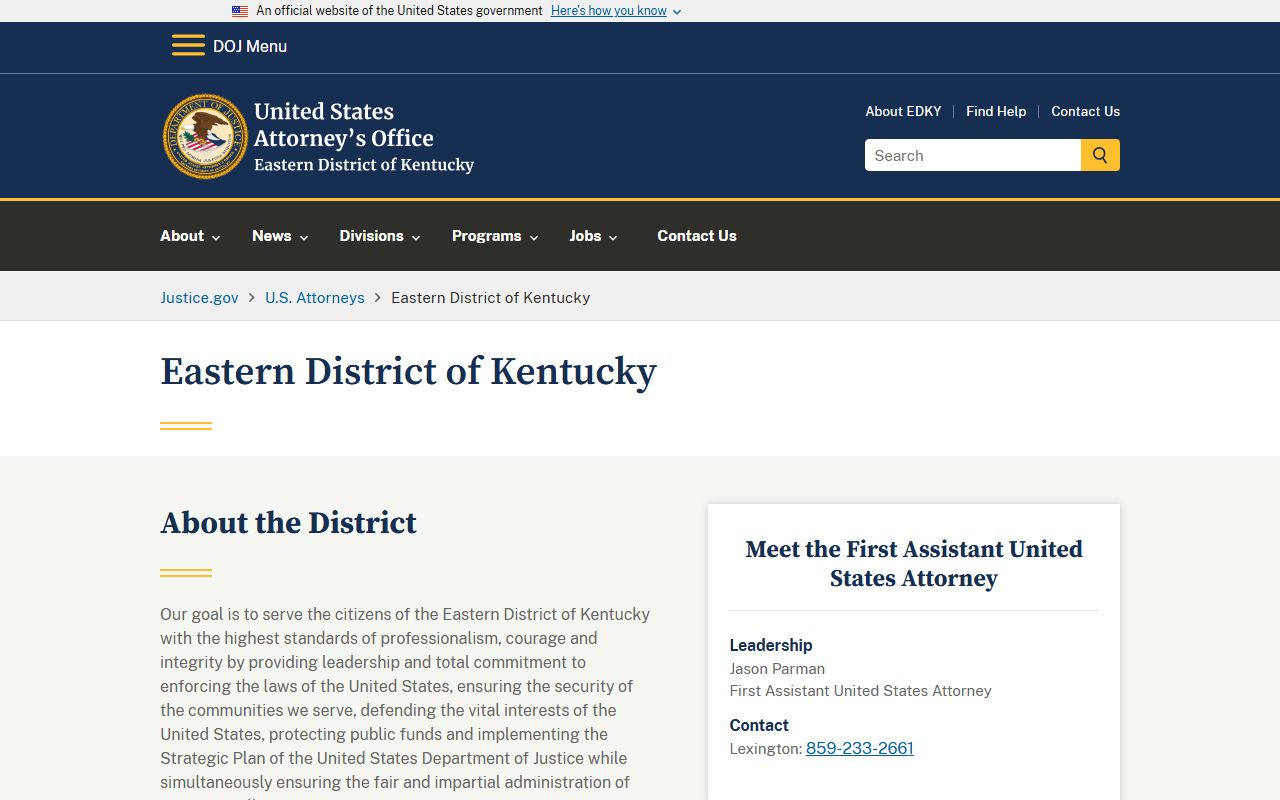
Use federal sources for federal charges and state court sources for Morgan County criminal court records.
Morgan Prosecutor Role
Kentucky uses Commonwealth's Attorneys for felony prosecution and County Attorneys for many misdemeanor, traffic, juvenile, and county-level prosecutions. The research did not verify current Morgan-specific prosecutor names from accessible official sources, so no current prosecutor names are stated here. The important record point is that law enforcement may make an arrest or issue a citation, but prosecutors decide what charges proceed in court and judges enter the orders that create the final court record.
Eligible defendants who cannot afford counsel can request appointment of counsel through the court and Kentucky public defense process. Attorney appointment, prosecutor review, bond conditions, and plea negotiations may appear in court events, but private attorney-client communications and prosecutor work product are not public court-record fields.
Restricted Criminal Records
Juvenile criminal matters are restricted under Kentucky law. Sealed records, expunged records, adoption-related records, mental-health materials, protected addresses, victim-sensitive information, and some active-warrant details may be withheld from ordinary public access. Public docket entries may also omit documents or details that exist in the clerk file but are not available for open public display.
For Morgan County, an expungement request should be handled as a court filing in the proper court. It should not be sent through Fiscal Court as a general open-records request. After an expungement order is granted, agencies that receive the order restrict access according to law, and public search tools may stop showing the record or show only limited information.